

 What is the best temperature for Ice Bath : How Cold Should It Be for Maximum Benefits?
What Is Ice Bath Temperature?
Ice bath temperature refers to the water temperature at which cold water immersion (CWI) triggers beneficial physiological responses in the human body. Unlike a regular cold shower, a true ice bath maintains a consistent sub-15°C environment to activate the body's cold-adaptation mechanisms.
The science is clear: water temperature directly determines whether you experience muscle recovery, hormone release, or simply discomfort with no gain. Getting the temperature right is the single most important variable in cold plunge therapy.
Benefits by Temperature Range
1. 15–20°C — Beginner Zone (Comfort Adaptation)
Ideal entry point for first-timers. Reduces perceived soreness by 15–20% and trains the nervous system to tolerate cold. No cardiovascular stress. Duration: 5–10 minutes.
2. 10–15°C — The Research Sweet Spot
Cited by most sports medicine research as optimal. A 2020 Journal of Sports Medicine study found this range reduces DOMS (Delayed Onset Muscle Soreness) by 30% within 48 hours. Triggers vasoconstriction and norepinephrine release (+300% above baseline).
3. 5–10°C — Performance Zone
Used by elite athletes and Huberman Protocol followers. Dopamine spike of 250% sustained for 2–3 hours post-session. Increases core cold-tolerance significantly. Requires prior conditioning.
4. Below 5°C — Advanced / Controlled Environment Only
Maximum physiological stress. Do NOT attempt without supervision. Risk of cold shock, cardiac stress, and frostbite. Best reserved for professional athletes with monitored equipment like Coldtubb Lys (precision chilling to 3°C).
5. 3°C — Coldtubb Standard
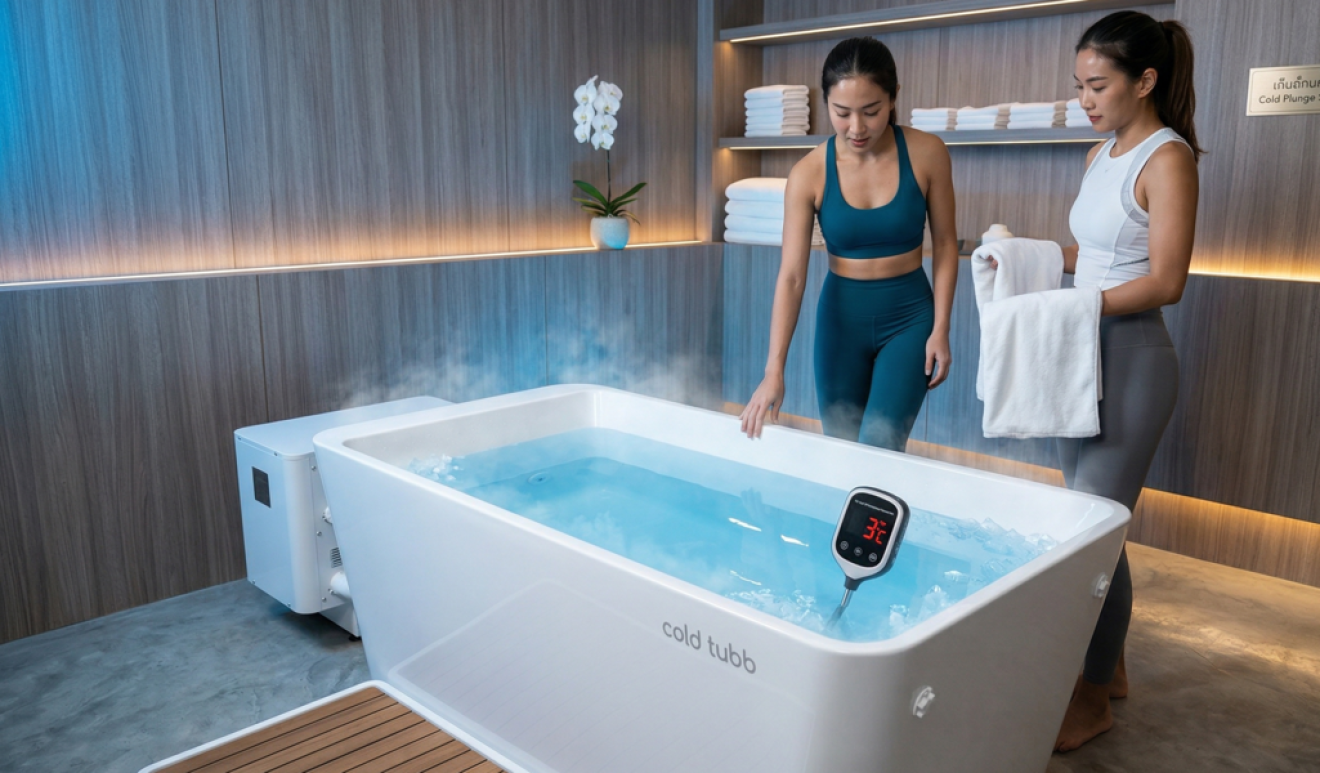
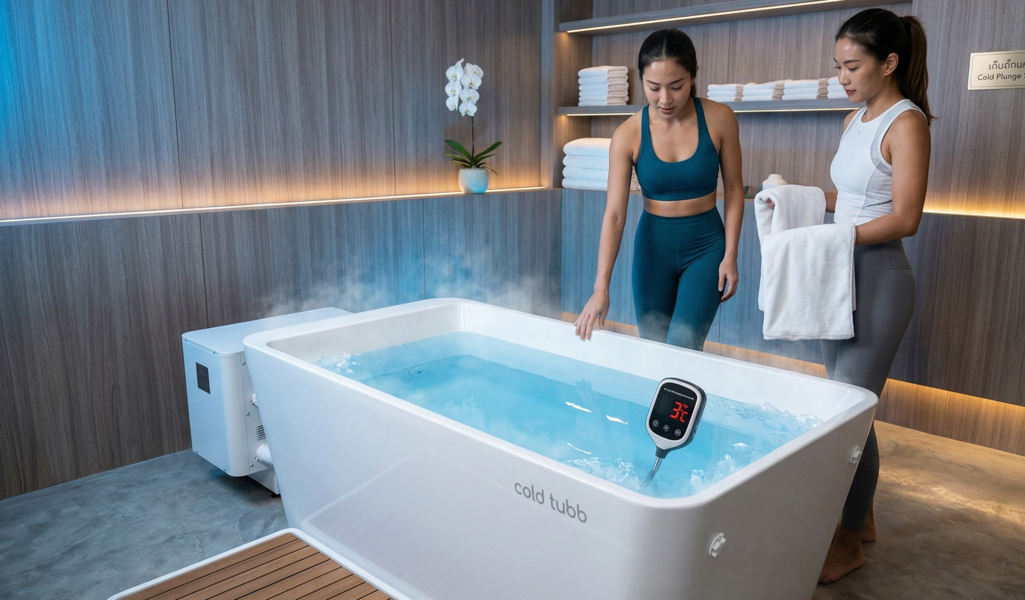
Coldtubb units are calibrated to maintain 3°C — a clinically studied temperature that maximizes norepinephrine, dopamine, and metabolic adaptation. The consistent temperature eliminates warm spots and maintains therapeutic effect throughout the session.
Temperature vs. Benefits: Comparison
| Temperature | Best For | Experience Level | Duration | Key Benefit |
|---|---|---|---|---|
| 15–20°C | Introduction | Beginner | 5–10 min | Adaptation |
| 10–15°C | Recovery | Intermediate | 5–15 min | DOMS -30% |
| 5–10°C | Performance | Advanced | 3–10 min | Dopamine +250% |
| Below 5°C | Elite Protocol | Expert only | 2–5 min | Max hormesis |
| 3°C (Coldtubb) | All-round | Any (supervised) | 2–10 min | Full spectrum |
How to Start Ice Bath Therapy by Temperature
Week 1–2: Adaptation Phase
- Set temperature at 15–18°C
- Duration: 3–5 minutes, 3x per week
- Focus on breathing — slow exhale through mouth
Week 3–4: Progression Phase
- Drop to 10–12°C
- Duration: 5–8 minutes
- Add morning sessions for cortisol regulation
Month 2+: Performance Phase
- Target 5–10°C range, or use Coldtubb at 3°C
- 11 minutes minimum per week (Huberman Protocol)
- Combine with sauna for contrast therapy
Warning: Never enter cold water below 10°C without prior conditioning. Consult a doctor if you have heart conditions, hypertension, or Raynaud's disease. Stop immediately if you experience chest pain or uncontrolled shivering.
How to Choose the Right Cold Plunge Temperature Setting
1. Match Your Goal
Recovery from training → 10–15°C. Mental clarity and mood → 5–10°C. Sleep improvement → 15–18°C two hours before bed. Weight management (brown fat activation) → below 10°C sustained.
2. Check Equipment Precision
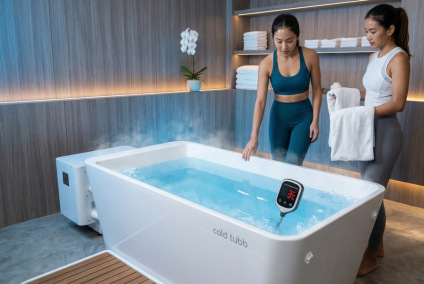
Cheap ice baths warm up within 5–10 minutes. A quality cold plunge tub like Coldtubb maintains temperature ±0.5°C throughout. Consistent temperature = consistent results.
3. Factor in Thailand's Climate
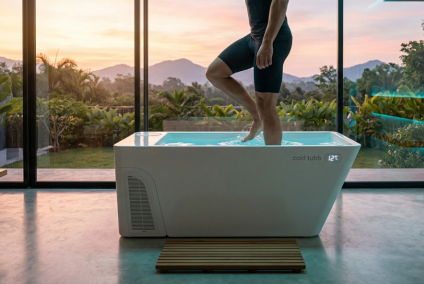
In Thailand's 30–38°C ambient temperature, getting water to 10°C or below requires active refrigeration — not just ice. Ice melts rapidly, causing temperature spikes that reduce therapeutic benefit. A motorized cold plunge tub is essential for Thai users.
4. Session Duration Trade-off
Colder water = shorter sessions needed. At 3°C, 3 minutes delivers the same hormetic stimulus as 10 minutes at 15°C. Quality tubs with precise temperature control let you fine-tune this relationship.
Coldtubb — Cold Plunge Tubs for Thailand
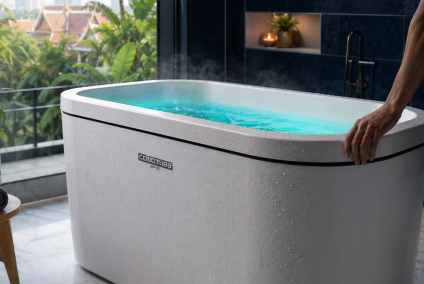
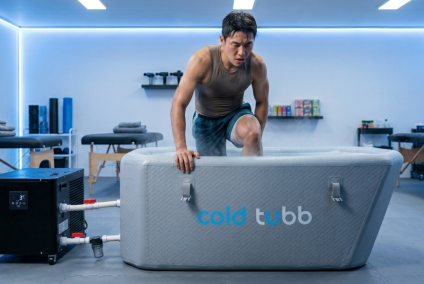
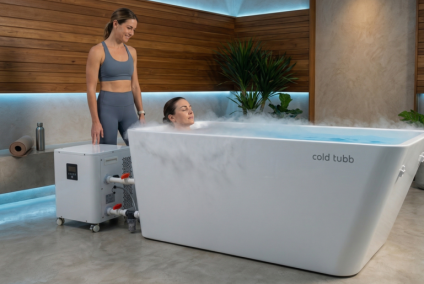
Coldtubb is Thailand's leading cold plunge tub brand, engineering units specifically for Southeast Asia's hot climate. Every model maintains precise 3°C water temperature using active refrigeration — no ice top-ups needed.
- Isbre — 74,000 THB · Entry-level cooling · 15°C–5°C range
- Bris+Isbre — 98,000 THB · Enhanced chilling for daily use
- Luft+Isbre — 138,000 THB · High-performance · reaches 3°C consistently
- Lys — 198,000 THB · Premium · precision temperature ±0.5°C at 3°C
FAQ — Ice Bath Temperature
What is the ideal ice bath temperature for beginners?
Beginners should start at 15–18°C (59–64°F). This is cold enough to trigger adaptation without overwhelming the nervous system. After 2–3 weeks, gradually lower by 2°C increments.
Is 10°C cold enough for an ice bath to work?
Yes. 10°C is within the research-backed optimal range (10–15°C) and is sufficient to reduce DOMS by 30%, trigger norepinephrine release, and improve mood. Most athletes use this range effectively.
Can I use ice cubes to reach 10°C in Thailand?
Ice cubes work temporarily but in Thailand's heat, 10 kg of ice in a regular tub may only hold 10°C for 10–15 minutes before warming. Active refrigeration (like Coldtubb) maintains consistent temperature throughout your session.
What temperature does Coldtubb set as standard?
Coldtubb is calibrated to 3°C as the standard target temperature. This falls in the advanced-performance zone and delivers maximum therapeutic benefit per minute. Users can adjust based on their conditioning level.
Is there a temperature that's too cold for an ice bath?
Below 4°C carries elevated risk of cold shock and is not recommended without medical supervision. The safe lower limit for trained individuals is 4°C. Coldtubb's 3°C setting is used in a controlled, measured way — not prolonged exposure below this threshold.