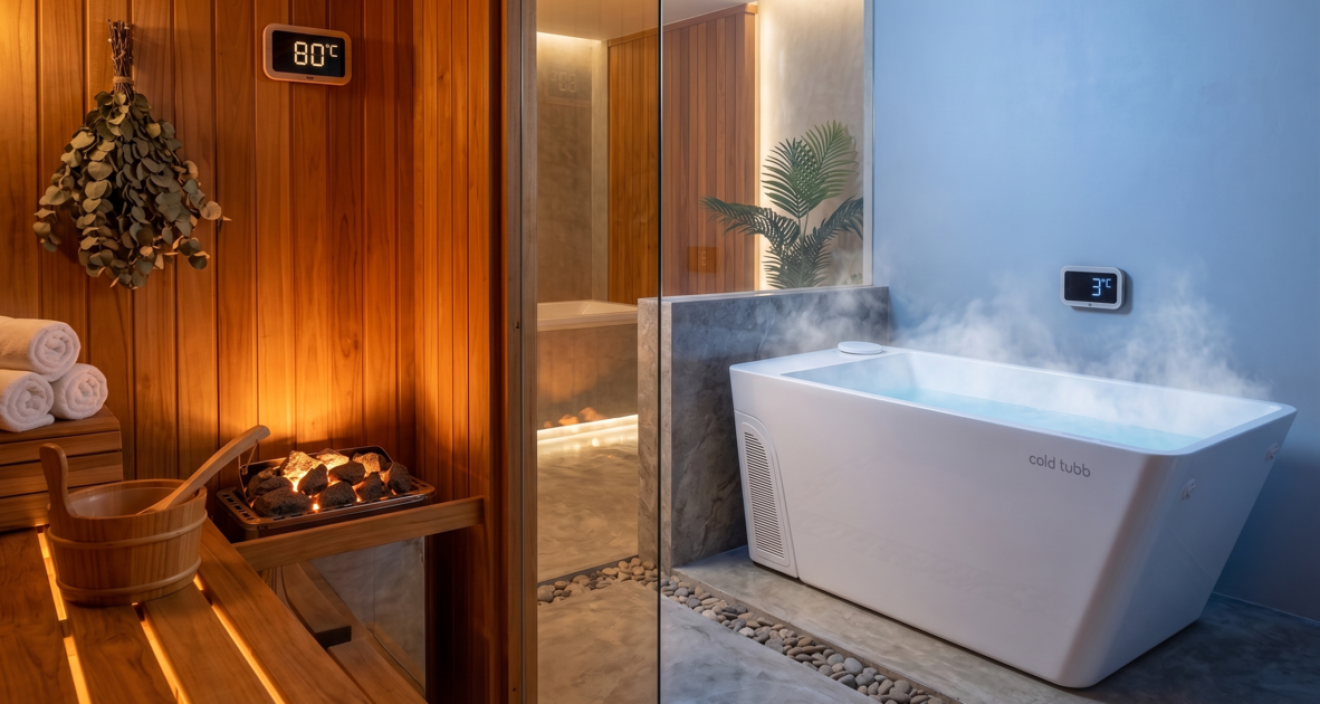


Sauna and Ice Bath Together: Benefits, Science & How to Do It Right
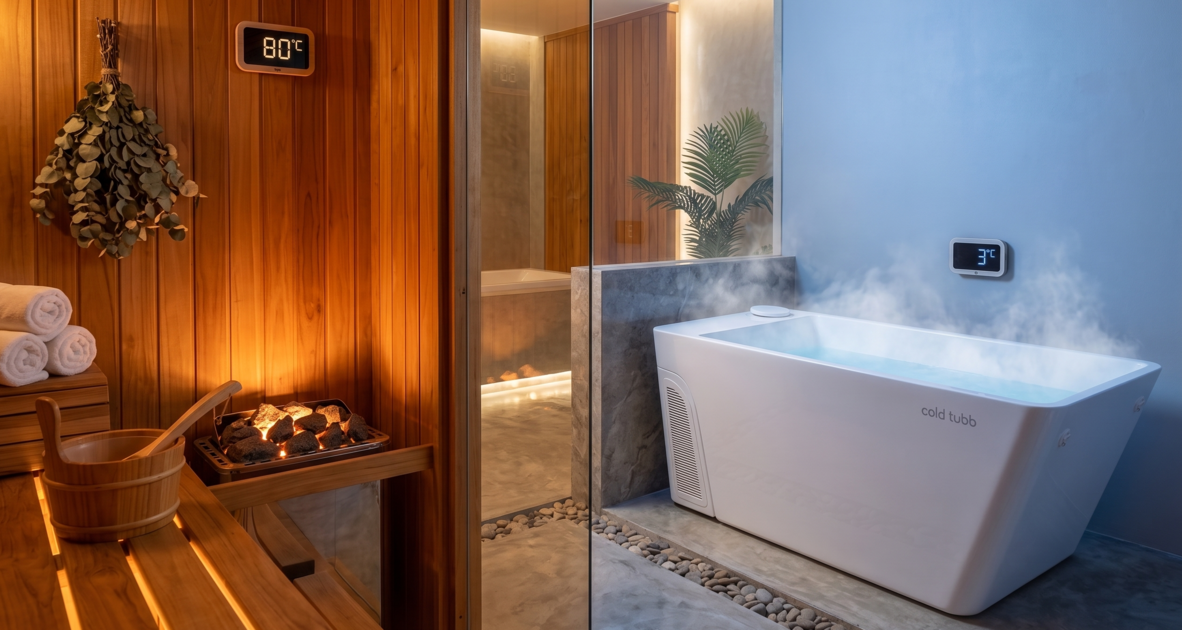
What is Sauna and Ice Bath (Contrast Therapy)?
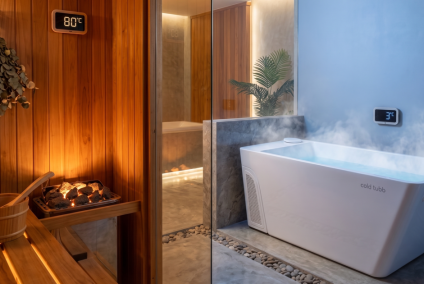
Sauna and Ice Bath — also called Contrast Therapy or Hot-Cold Therapy — is the practice of alternating between a hot sauna (80-100°C) and cold water immersion (10-15°C) in cycles. This causes blood vessels to repeatedly dilate and constrict, creating a "vascular pump" effect that dramatically enhances circulation and recovery.
Used for centuries in Scandinavia and Finland, Contrast Therapy is now widely adopted by elite athletes, biohackers, and wellness enthusiasts worldwide — including a growing community in Thailand.
Benefits of Combining Sauna and Ice Bath
1. Vascular Pump — Enhanced Circulation
Sauna causes vasodilation, flooding muscles with oxygen-rich blood. Ice bath triggers vasoconstriction, pushing that blood back. Each cycle acts as a powerful "pump," delivering nutrients and clearing metabolic waste more efficiently than active rest.
2. Faster Muscle Recovery
Research in the International Journal of Sports Physiology and Performance found Contrast Therapy reduces DOMS (Delayed Onset Muscle Soreness) by up to 40% vs. passive recovery, enabling athletes to return to training 24 hours sooner.
3. Reduced Inflammation & Swelling
Alternating hot and cold reduces pro-inflammatory cytokines and tissue edema — ideal for athletes with minor injuries or chronic muscle tightness.
4. Endorphin & Mood Boost
Both sauna and ice bath independently trigger endorphin and norepinephrine release. Combined, they produce a powerful "afterglow" — reduced stress, heightened alertness, and improved mood lasting several hours post-session.
5. Immune System Stimulation
Studies show Contrast Therapy increases white blood cell count and natural killer cell activity, supporting long-term immune function with consistent practice.
Sauna Only vs. Ice Bath Only vs. Combined
| Method | Muscle Recovery | Inflammation | Mood/Stress | Time |
|---|---|---|---|---|
| Sauna Only | Good ★★★★ | Moderate ★★★ | Excellent ★★★★★ | 15-20 min |
| Ice Bath Only | Good ★★★★ | Very High ★★★★★ | Good ★★★★ | 10-15 min |
| Sauna + Ice Bath | Excellent ★★★★★ | Very High ★★★★★ | Excellent ★★★★★ | 30-45 min |
How to Do Sauna and Ice Bath Correctly
Standard 3-Round Protocol
- Round 1: Sauna 10-15 min → Rest 2-3 min → Ice Bath 2-3 min
- Round 2: Sauna 10 min → Rest 2 min → Ice Bath 3-5 min
- Round 3: Sauna 10 min → Rest 2 min → Ice Bath 5-10 min
- Always finish with Ice Bath to close pores and lower core temperature
For Beginners (Week 1)
- Reduce sauna to 5-8 min per round
- Start ice bath at 15-18°C
- Do only 2 rounds initially
- Drink 500ml water before starting
Coldtubb — Cold Plunge Tubs for Contrast Therapy in Thailand
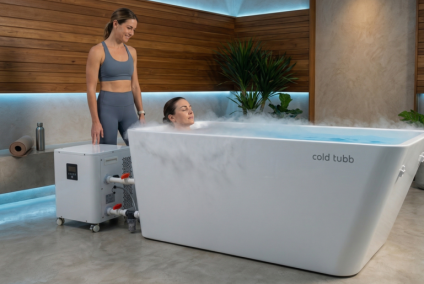
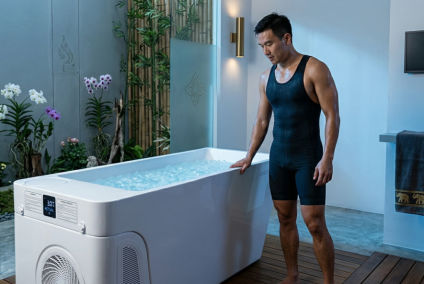
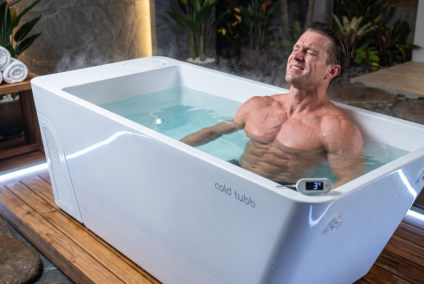
Coldtubb is engineered for Contrast Therapy — with precision chillers maintaining 3-15°C throughout your session, perfect for pairing with home saunas or wellness studios.
- Isbre — THB 74,000 · Entry level, ideal for beginners
- Bris+Isbre — THB 98,000 · Mid-range, daily training use
- Luft+Isbre — THB 138,000 · Performance, for athletes & studios
- Lys — THB 198,000 · Premium, for luxury studios & homes
Contact: coldtubb.co | 085-449-9879
FAQ: Sauna and Ice Bath
Should you start with sauna or ice bath first?
Always start with sauna to warm up and dilate blood vessels, then move to ice bath. Always finish with ice bath to close pores and reduce core body temperature.
How often should you do sauna and ice bath?
For muscle recovery: 2-4 times per week after heavy training sessions. For general wellness: 1-2 times per week is sufficient.
How long does a sauna and ice bath session take?
A standard 3-round protocol takes 30-45 minutes including rest periods. Beginners starting with 2 rounds should plan for 20-25 minutes.
What should you eat or drink before sauna and ice bath?
Drink 500ml of water before starting and hydrate between rounds. After the session, consume protein within 30-60 minutes to support muscle repair. Avoid alcohol before and after.
Is sauna and ice bath better than a contrast shower?
Yes — significantly. Sauna delivers deep tissue heat while ice bath provides full-body cold immersion, creating a far stronger vascular pump than a contrast shower, which only uses surface-level temperature changes.