

 What Is an Ice Bath? Why Runners and Athletes Use Cold Water Immersion for Muscle Recovery
What Is an Ice Bath?
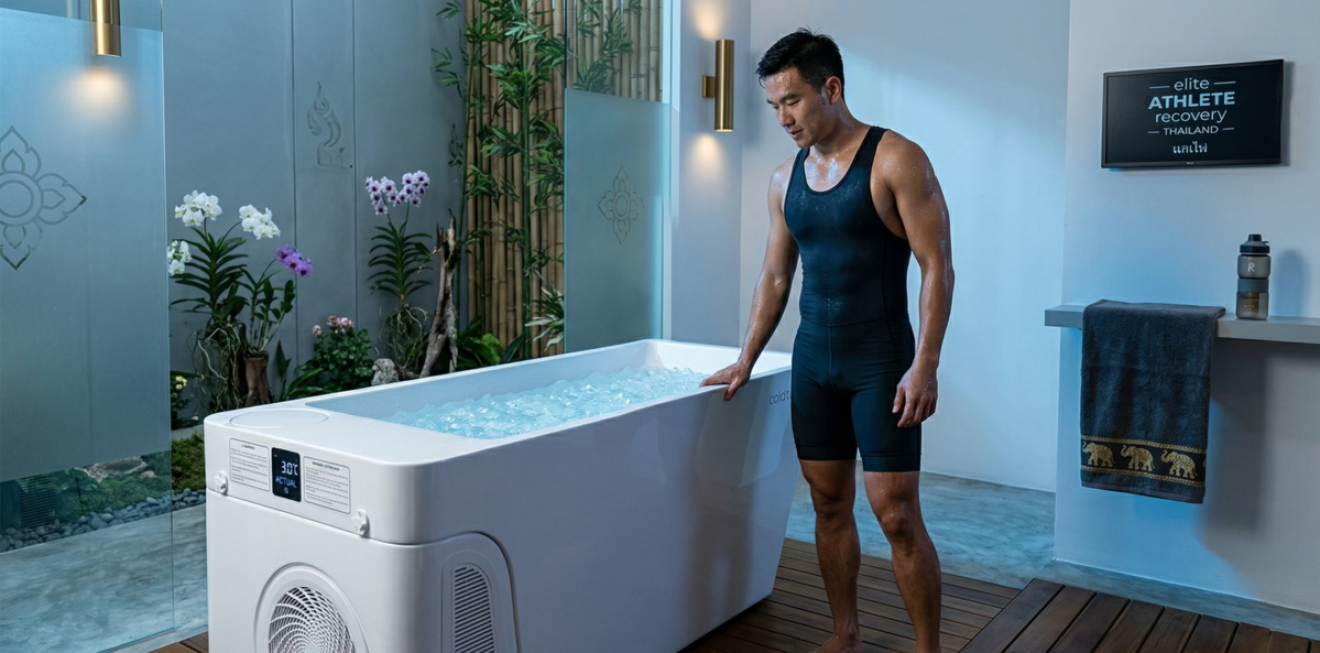
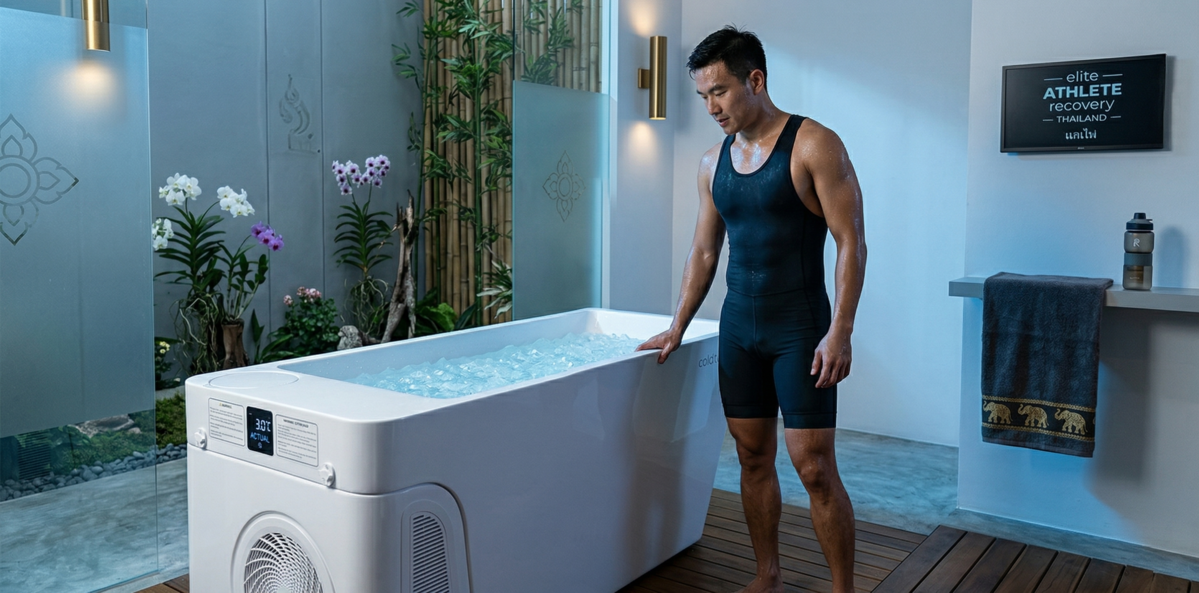
An ice bath — scientifically called Cold Water Immersion (CWI) — is the practice of submerging the body in water between 10–15°C for 10–15 minutes after strenuous exercise. It is one of the most researched and widely adopted recovery protocols in professional sports, used by marathon runners, triathletes, football teams, NBA players, and Olympic athletes alike.
The physiological mechanism is straightforward: cold water causes vasoconstriction (blood vessel narrowing), which reduces metabolic activity and inflammation in fatigued muscles. When the body rewarms post-immersion, vasodilation (blood vessel widening) creates a powerful flushing effect that accelerates removal of exercise byproducts from muscle tissue.
Ice baths differ from spot icing in that they treat the entire body simultaneously — making them ideal for runners and athletes whose workouts stress multiple muscle groups across the lower and upper body.
Why Do Runners and Athletes Use Ice Baths?
1. Dramatically Reduces Post-Run Muscle Soreness
After a long run, high-intensity interval session, or competition, micro-tears in muscle fibers trigger an inflammatory response that causes DOMS (Delayed Onset Muscle Soreness) 24–72 hours later. A meta-analysis by Bleakley et al. (2012) in the Cochrane Database found cold water immersion reduces muscle soreness by up to 20% compared to passive rest — allowing runners to train more consistently.
2. Accelerates Return to Training
For athletes training 5–6 days per week, recovery speed is a performance differentiator. Research from the University of Queensland (2017) found cyclists who used cold water immersion recovered strength 3–4 times faster than those who rested passively. This means athletes can hit their next hard session sooner, at higher quality.
3. Reduces Exercise-Induced Inflammation
Intense exercise elevates pro-inflammatory cytokines (IL-6, TNF-alpha) that drive tissue damage. Cold immersion suppresses this inflammatory cascade, reducing oxidative stress markers by up to 15% in the 24 hours post-exercise (Pournot et al., 2011). This is particularly valuable for runners who compete in multi-day events or back-to-back races.
4. Lowers Core Body Temperature After Endurance Events
Marathon runners and triathletes in hot conditions (such as Thailand's climate) face the additional challenge of hyperthermia — elevated core body temperature. Ice bathing immediately post-race is the most effective method for rapid core temperature reduction, lowering it by 1–2°C within 10 minutes (Casa et al., 2007).
5. Psychological Recovery and Mental Reset
Beyond physiology, the mental challenge of entering cold water and staying calm builds psychological resilience. Athletes report that regular cold plunge practice improves their ability to tolerate discomfort during races and high-intensity training — a competitive edge that is difficult to quantify but widely acknowledged in professional sports.
Ice Bath vs Other Athlete Recovery Methods
| Recovery Method | Best For | Soreness Reduction | Time to Effect |
|---|---|---|---|
| Ice Bath (CWI) | Runners, endurance athletes, team sports | Up to 20% | Immediate–24hr |
| Compression Garments | Runners, cyclists | Up to 10% | During wear |
| Sports Massage | Localized muscle tension | Up to 15% | 24–48hr |
| Active Recovery (easy jog) | Day-after light movement | Up to 8% | Same day |
| Sleep / Rest | All athletes | Variable | 8+ hours |
How Athletes Should Use Ice Baths Correctly
Weeks 1–2: Building Cold Tolerance
- Start with contrast showers: 1 minute warm, 30 seconds cold, repeat 3 times
- Progress to cold immersion at 15°C for 5 minutes post-easy runs
- Focus on controlled breathing to manage the cold shock response
Weeks 3–4: Protocol Refinement
- Use a dedicated cold plunge tub for consistent temperature (12–15°C)
- Immerse within 30 minutes of completing hard training sessions or races
- Duration: 8–12 minutes targeting full leg submersion
Advanced Athletic Protocol
- Temperature: 10–12°C for regular sessions, 3°C for peak recovery days
- Timing: Within 30 minutes post-exercise for maximum anti-inflammatory effect
- Combine with: 8+ hours sleep, adequate protein intake (1.6–2.2g/kg body weight)
Important Note for Strength Athletes: If your goal is maximum muscle hypertrophy, avoid ice baths immediately after resistance training sessions — cold immersion may blunt mTOR signaling and reduce anabolic adaptation. Use cold therapy on non-training days or after endurance sessions instead.
How to Choose a Cold Plunge Tub for Athletes
1. Precise Temperature Control
Athletes need consistent temperatures for reproducible results. A tub with an active chilling system (not ice-dependent) maintains target temperatures precisely — essential for serious training programs that require controlled recovery stimuli.
2. Capacity for Full-Body Immersion
Runners and team sport athletes need full submersion up to the hips or shoulders. Look for tubs at least 60 cm deep with sufficient volume to maintain temperature when a body enters the water.
3. Rapid Chilling Capability
After a hard training session, athletes want to cool down immediately. A tub that reaches target temperature within 30–60 minutes of being turned on (or maintains it 24/7) supports impulsive post-workout use.
4. Low Maintenance and Filtration
Athletes who use the tub daily need reliable filtration that keeps water clean without requiring water changes after every session. Built-in UV sterilization and circulation systems are essential features.
Coldtubb — Premium Cold Plunge Tubs for Runners and Athletes in Thailand
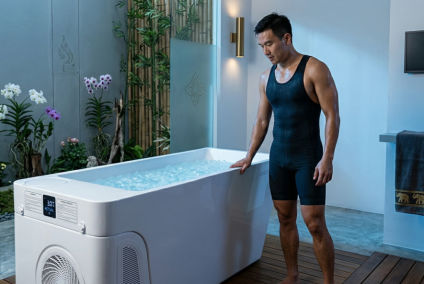
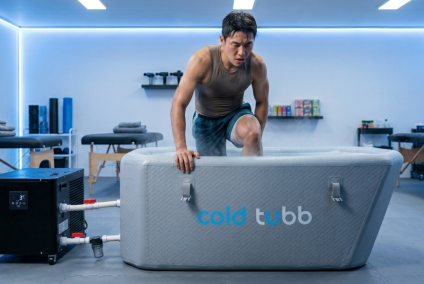
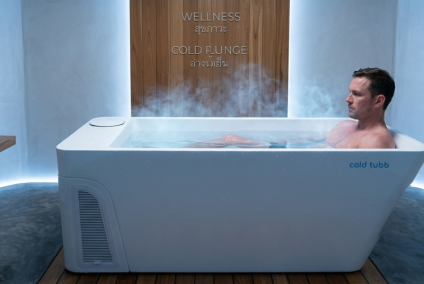
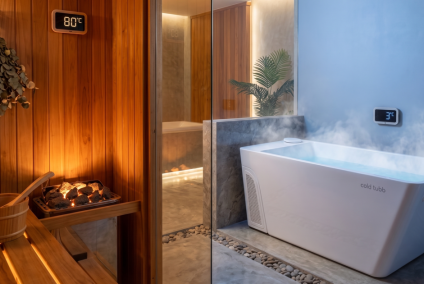
Coldtubb is designed for athletes who take recovery seriously. With active chilling to 3°C, built-in filtration, and tropical-climate engineering, Coldtubb makes professional-grade cold water immersion available for Thai athletes, gyms, and wellness studios.
- Isbre — 74,000 THB · Entry-level performance for home athletes seeking reliable daily cold therapy
- Bris+Isbre — 98,000 THB · Enhanced chilling performance for athletes training 5–6 days per week
- Luft+Isbre — 138,000 THB · High-performance chilling to 3°C with advanced filtration for competitive athletes
- Lys — 198,000 THB · Premium studio-grade unit for gyms, sports clubs, and professional training facilities
Contact: coldtubb.co | 085-449-9879 | [email protected]
Frequently Asked Questions: Ice Bath for Runners and Athletes
Should runners take ice baths after every run?
Not necessarily after every run. Ice baths are most beneficial after hard training sessions (intervals, tempo runs, long runs over 25 km) and races. For easy recovery runs, a cold shower or 10-minute walk is sufficient. Reserve cold plunges for days where muscle damage and inflammation are highest.
How quickly do ice baths work for muscle recovery?
The anti-inflammatory effects begin within minutes of cold immersion and peak at 24–48 hours post-session. Most athletes report noticeably less soreness within 2–6 hours compared to passive rest. For optimal results, immerse within 30–60 minutes of finishing exercise.
What temperature is ideal for athlete ice baths?
Most sports science research supports 10–15°C as the optimal range for athlete recovery. Below 10°C provides additional benefits for mental resilience and norepinephrine release. Coldtubb units chill to 3°C for maximum cold therapy intensity when needed.
Can ice baths replace sleep for athlete recovery?
No. Ice baths are a powerful complement to sleep, not a replacement. Sleep remains the single most important recovery tool for athletes. Cold immersion accelerates the physiological recovery processes that happen during sleep — using both together yields better results than either alone.
Do professional athletes in Thailand use ice baths?
Yes, increasingly so. Thai professional football clubs, elite marathoners, Muay Thai fighters, and CrossFit athletes are adopting cold water immersion as a standard part of their recovery protocols. Coldtubb works with sports facilities and gyms across Thailand to provide accessible, high-quality cold plunge solutions.
References
- Bleakley, C. et al. (2012). Cold-water immersion for preventing and treating muscle soreness. Cochrane Database of Systematic Reviews. cochranelibrary.com
- Pournot, H. et al. (2011). Time-course of changes in inflammatory response after whole-body cryotherapy. PLOS ONE. journals.plos.org
- Casa, D.J. et al. (2007). Cold water immersion in the treatment of exertional heat stroke. Journal of Athletic Training. natajournals.org