

Ice Bath Tub Buying Guide: Which Type is Right for Home Use in Thailand?
What Is an Ice Bath Tub?
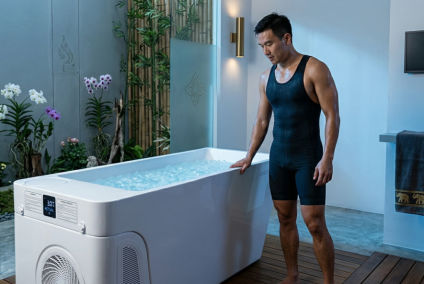
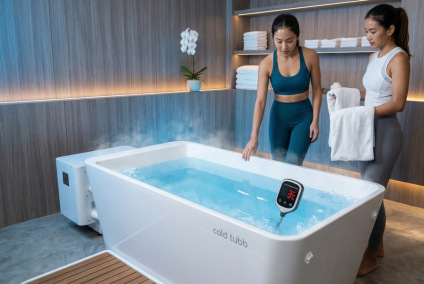
An ice bath tub (cold plunge tub) is a vessel designed to hold cold water at a controlled temperature — typically 3–15°C — for cold water immersion therapy. Unlike a regular bathtub, cold plunge tubs are insulated to hold temperature, and premium models include a chiller unit that maintains precise coldness without the need for ice bags.
Cold immersion has been adopted by elite athletes for decades, but with the availability of home-use tubs, everyday wellness enthusiasts in Thailand can now experience the same recovery benefits without visiting a spa or recovery center.
3 Types of Ice Bath Tubs Compared
| Feature | Inflatable / Foldable (PVC) | Rigid Acrylic / Fiberglass | Chiller-Integrated System |
|---|---|---|---|
| Temperature Control | Manual (ice bags) | Manual or add-on chiller | Automatic, precise (3–15°C) |
| Price Range (THB) | 3,000–15,000 | 20,000–80,000 | 80,000–250,000+ |
| Running Cost | High (ice bags daily) | Medium | Low (electricity only) |
| Suitability for Thailand | Poor (hot climate melts ice fast) | Moderate | Excellent |
| Space Required | Minimal (foldable) | Permanent spot needed | Permanent spot + power outlet |
5 Key Factors When Choosing an Ice Bath Tub for Home
1. Temperature Control System
In Thailand's year-round heat, maintaining 10–15°C using ice bags requires 5–10 kg per session — expensive and inconsistent. A chiller-integrated tub maintains precise temperature automatically. Research shows that consistent temperature across sessions (±1°C variance) produces more repeatable physiological benefits than ad-hoc ice baths (Bleakley et al., 2012).
2. Sitting vs. Lying Posture
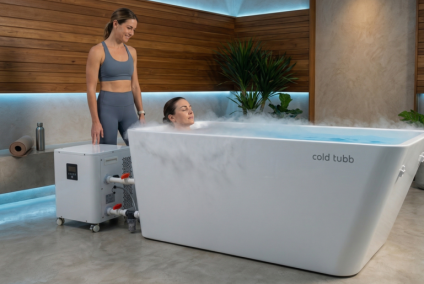
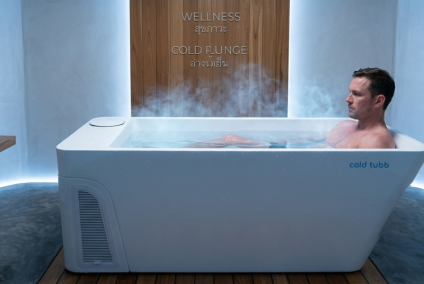
Sitting tubs are more compact and suitable for condos or small bathrooms. Lying tubs allow full-body immersion, covering the neck and shoulders — ideal for maximising the vagal nerve cooling response. If space allows, lying models deliver a more complete experience.
3. Material and Durability
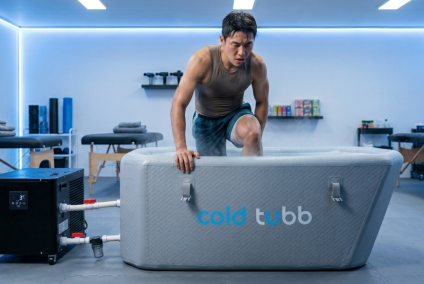
Drop-stitch PVC (DWF 5–8cm thick) holds shape under pressure and insulates better than thin inflatables. Acrylic shells are more durable but heavier. For long-term home use (3–5+ years), rigid materials outperform cheap inflatables that degrade within 12–18 months.
4. Water Hygiene and Filtration
Standing cold water in Thailand's heat grows bacteria and algae rapidly. Look for built-in filtration (UV or ozone) that keeps water clean between changes. Without filtration, water should be changed every 1–2 days — adding significant maintenance and water cost.
5. After-Sales Service and Warranty
A cold plunge tub is a long-term investment. Choose brands with local service teams, genuine spare parts, and warranty of at least 12–18 months. Imported brands without Thai service centres can leave you stuck if the chiller unit fails.
How to Set Up an Ice Bath Tub at Home
Step 1: Choose the Right Location
- Near a floor drain or with a drainage hose — water changes every 1–4 weeks
- Stable flat surface, away from direct sunlight (increases chiller load)
- Within reach of a standard 220V power outlet (chiller models)
Step 2: Fill and Pre-Cool
- Fill with clean tap water — no need for distilled water
- Switch on chiller and allow 2–4 hours to reach target temperature (3–15°C depending on model)
- Add a sanitiser tablet or ozone treatment to maintain water quality
Step 3: Your First Session
- Beginners: start at 15°C for 3–5 minutes
- Progress to 10°C / 5–10 minutes after 2–3 weeks
- Do not submerge alone for the first few sessions
Safety Note: Avoid cold plunging if you have heart conditions, high blood pressure, or are pregnant. Always consult a doctor if in doubt. Never stay in water below 10°C for more than 15 minutes.
Coldtubb — Premium Ice Bath Tubs for Home Use in Thailand
Coldtubb designs cold plunge tubs built for Thai homes — energy-efficient chillers, built-in filtration, and 18-month warranty with local after-sales support. Whether you have a small condo or a large garden, there is a Coldtubb model for you.
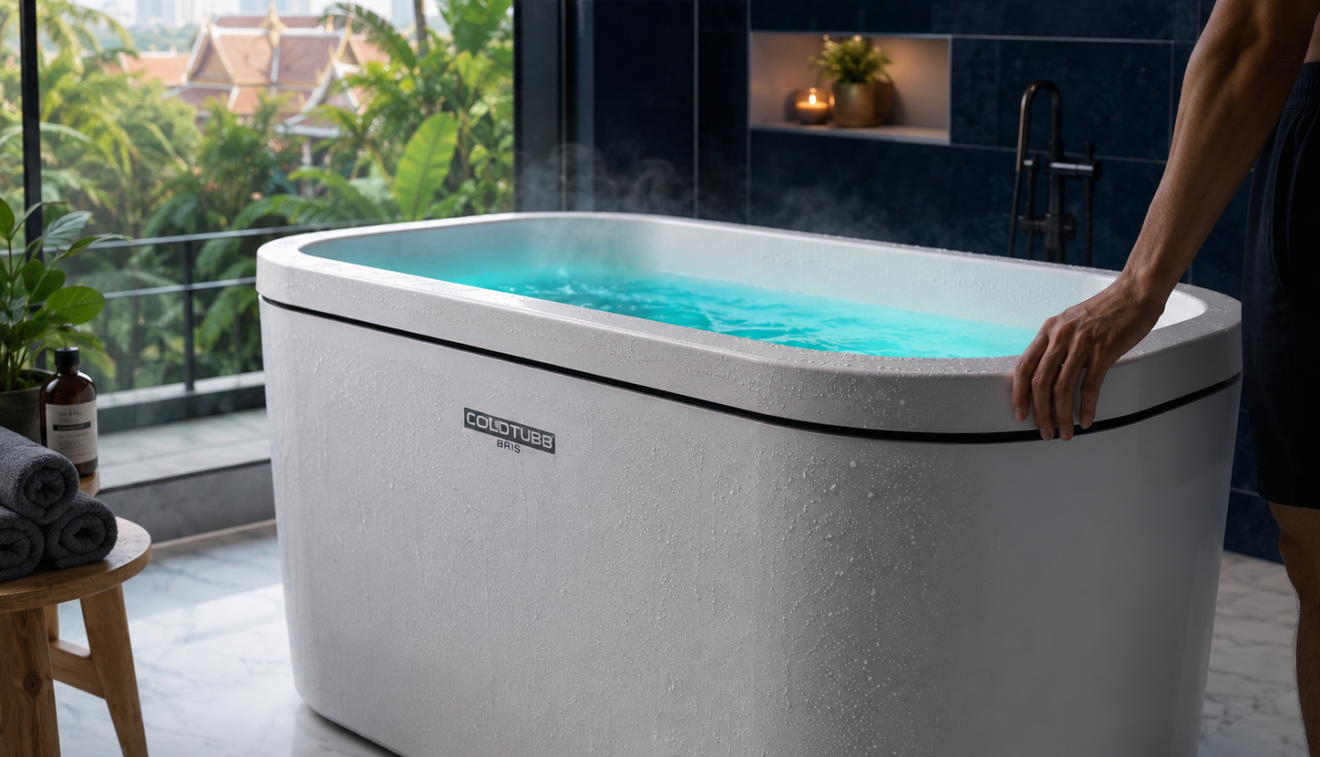
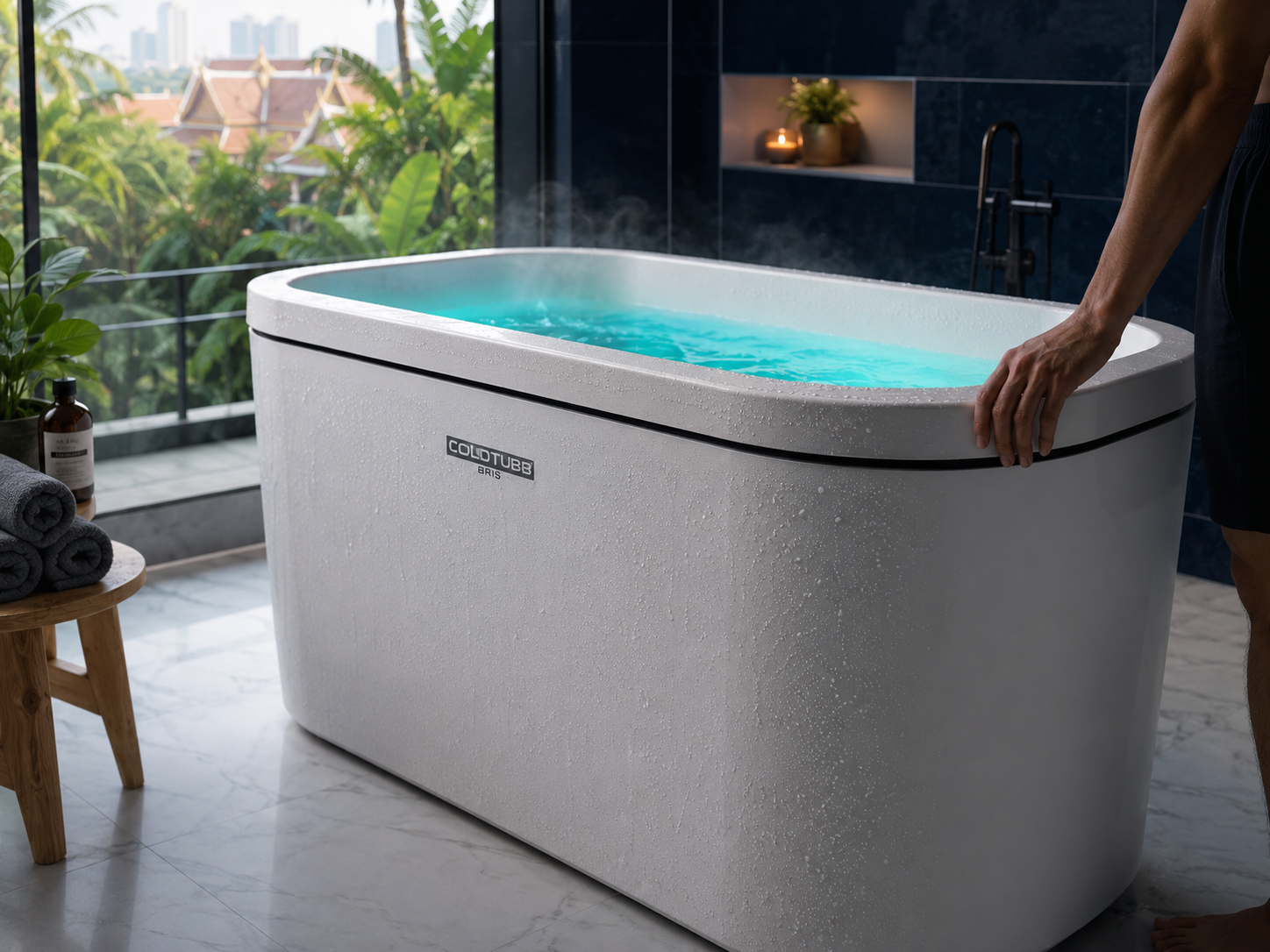
- Coldtubb Bris + Isbre — Mid-size sitting model with integrated chiller, ideal for home use
- Coldtubb Luft + Isbre — Lying (full-body) model with chiller, suits dedicated wellness room
- Coldtubb Lys — Premium hi-end model (198,000 THB), for serious home setups and studios
- Isbre Chiller Unit — Add-on chiller for existing tubs, precise cooling to 3°C
Visit coldtubb.co | Call 085-449-9879
Frequently Asked Questions
How much does a home ice bath tub cost in Thailand?
Entry-level inflatable tubs start around 3,000–15,000 THB but require ice bags per session. Mid-range rigid tubs cost 20,000–80,000 THB. Chiller-integrated systems like Coldtubb range from 80,000 to 250,000+ THB and eliminate the ongoing cost of ice, making them more economical long-term for regular users.
Can I use an ice bath tub in a condo in Thailand?
Yes. Compact sitting models (e.g. Coldtubb Bris) fit in a bathroom or balcony with a standard floor drain. You need a 220V outlet for the chiller and a way to drain water. Most condo balconies or utility rooms are sufficient for a 100–200 litre tub.
Sitting vs. lying ice bath tub — which is better?
Sitting tubs are more compact and practical for most homes. Lying tubs allow full-body immersion including shoulders and neck, which provides a more complete physiological stimulus. If space allows, lying models are the better long-term choice. If space is limited, a sitting model at 3–10°C still delivers most of the recovery benefits.
How often do I need to change the water in a home ice bath tub?
Without filtration: every 1–2 days in Thailand's heat to prevent bacterial growth. With built-in UV or ozone filtration (available in Coldtubb models): every 2–4 weeks, similar to a hot tub maintenance schedule. This dramatically reduces water usage and maintenance time.
Does an ice bath chiller use a lot of electricity?
Energy consumption depends on ambient temperature and insulation. In Thailand, a 0.3–0.5 HP chiller running to maintain 10°C typically uses 2–5 kWh per day in standby mode — roughly 60–150 THB per month at residential electricity rates. Pre-cooling before each session (rather than running continuously) further reduces costs. See our dedicated article on chiller electricity costs in Thailand for detailed figures.