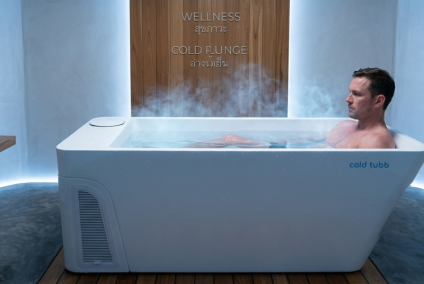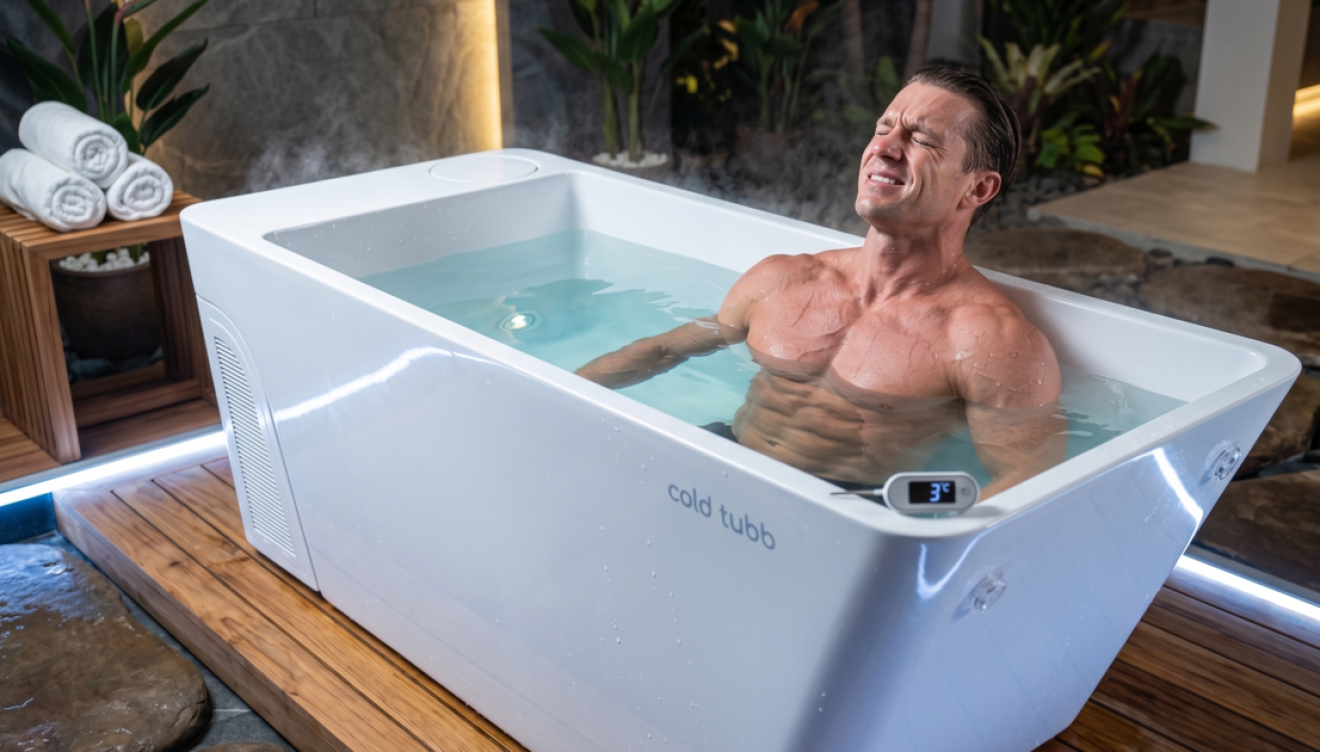


Ice Bathing: Cold Therapy for Muscle Recovery — How Cold Heals Faster Than Heat
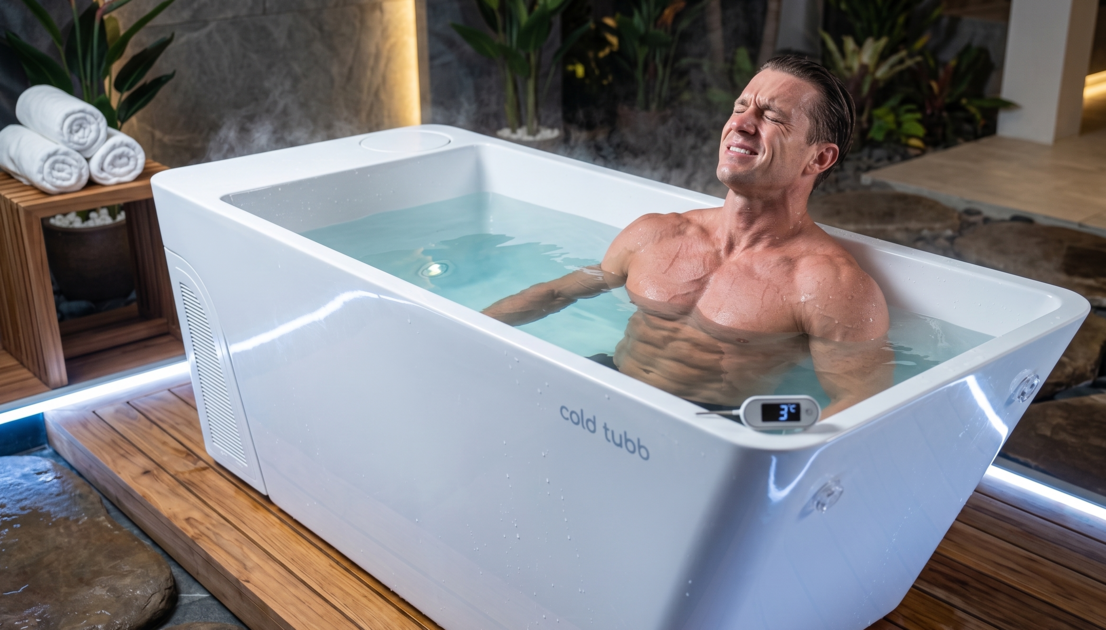
What Is Ice Bathing as Muscle Therapy?
Ice bathing, known clinically as Cold Water Immersion (CWI) therapy, is the therapeutic application of cold water to treat muscular fatigue, micro-tears, and inflammation caused by physical exertion. When the body is immersed in water at 3–15°C, a cascade of physiological responses actively promotes tissue repair, pain reduction, and neuromuscular recovery — making it one of the most powerful non-pharmacological recovery tools in sports medicine.
The therapeutic mechanism differs fundamentally from simply "feeling cold." Cold water at sufficient depth and temperature creates hydrostatic pressure on tissues, reduces nerve conduction velocity, triggers vasoconstriction followed by reactive vasodilation, and activates the hypothalamus to release norepinephrine — all of which contribute directly to muscle healing and recovery.
From elite Muay Thai gyms to Olympic training centers, ice bathing is increasingly recognized not as a luxury, but as a clinical-grade intervention for muscle health that anyone who trains seriously should consider.
How Cold Therapy Heals Muscles: The Science
1. Vasoconstriction — Controlling the Inflammatory Response
When muscles are subjected to intense exercise, microscopic tears in muscle fibers trigger an inflammatory cascade — the body's natural repair signal. However, excessive inflammation extends pain duration and slows functional recovery. Cold water causes immediate vasoconstriction (narrowing of blood vessels), which contains the inflammatory response within the damaged tissue, preventing it from spreading to adjacent healthy muscle. Research by Leeder et al. (2012) confirmed this mechanism reduces inflammatory markers by up to 15% within 24 hours post-exercise.
2. Hydrostatic Pressure — Pushing Waste Out
Water pressure at depth creates hydrostatic compression on body tissues — similar to the effect of a full-body compression garment, but far more uniform and effective. This pressure assists the lymphatic system in removing metabolic byproducts (lactic acid, creatine kinase, reactive oxygen species) from fatigued muscle tissue. The deeper the immersion, the greater the therapeutic hydrostatic pressure applied.
3. Reactive Vasodilation — The Therapeutic Rebound
After exiting cold water, blood vessels dilate rapidly (reactive vasodilation), creating a powerful blood flow surge through previously cooled tissues. This "flush effect" carries fresh oxygenated blood and nutrients directly to damaged muscle fibers, accelerating cellular repair processes. This rebound effect is a key differentiator of ice bathing over static cold packs, which do not produce the same systemic vascular response.
4. Nerve Cooling — Natural Pain Relief
Cold reduces the conduction velocity of both sensory and pain nerve fibers. At temperatures below 15°C, the firing rate of type-III and type-IV muscle afferents (pain-sensing nerve endings) is significantly reduced, providing natural analgesic effects without medication. This is why athletes report immediate pain relief upon cold immersion — the cold physically slows the body's own pain signaling.
5. Neuroendocrine Response — Hormonal Repair Support
Cold exposure triggers significant norepinephrine release (up to 300% increase) and modest increases in growth hormone — both of which support muscle protein synthesis and tissue repair. Norepinephrine also modulates the immune response, promoting anti-inflammatory activity that complements the mechanical benefits of cold water immersion.
Ice Bathing vs Other Muscle Therapy Methods
| Therapy Method | Mechanism | Full-Body Effect | Therapy Time |
|---|---|---|---|
| Ice Bathing (Cold Plunge) | Vasoconstriction + hydrostatic pressure + vasodilation rebound | ✅ Full body | 10–15 min |
| Ice Pack Application | Localized vasoconstriction only | ❌ Local only | 20–30 min |
| Anti-inflammatory Medication | Systemic enzyme inhibition | ✅ Systemic | Ongoing |
| Sports Massage | Mechanical tissue manipulation | ⚠️ Partial | 60–90 min |
| Passive Rest | Natural healing only | ✅ Full body | Days |
How to Use Ice Bathing for Muscle Therapy Effectively
Weeks 1–2: Introducing Cold to Your Muscles
- Cold shower protocol: Finish each shower with 60–90 seconds of maximum cold water
- Target temperature: 15–18°C to begin neuromuscular adaptation
- Focus area: ensure legs and lower back are fully exposed to cold flow
- Frequency: 4–5 times per week after any training session
Weeks 3–4: Progressing to Full Cold Immersion
- Transition to a cold plunge tub at 12–15°C
- Duration: 8–12 minutes — submerge to shoulder level for full therapeutic effect
- Practice diaphragmatic breathing: slow belly breaths calm the nervous system during immersion
- Exit the water when you feel the "warm glow" building inside — this signals vasodilation beginning
Advanced Therapeutic Protocol
- Target: 3–10°C for maximum vasoconstriction and therapeutic effect
- Weekly total: 11 minutes across 3–5 sessions (research-backed minimum for systemic benefit)
- Post-immersion: allow 5–10 minutes of natural rewarming before hot shower or sauna
- Pair with adequate sleep (7–9 hours) and protein intake for complete muscle repair
Therapeutic Caution: Ice bathing is a powerful physiological intervention. Do not use immediately after strength training if hypertrophy is your goal — cold exposure may blunt mTOR signaling. Consult a sports physician if recovering from acute muscle injury, as cold therapy protocols differ from standard post-exercise use.
Choosing the Right Cold Plunge Tub for Muscle Therapy
1. Therapeutic Temperature Range
Effective muscle therapy requires precise temperatures between 3–15°C. Units with active chilling systems maintain this range consistently regardless of ambient temperature — critical in Thailand where outdoor temperatures regularly exceed 35°C and would neutralize passive cooling rapidly.
2. Immersion Depth and Body Coverage
Therapeutic hydrostatic pressure benefits require immersion depth of at least 60 cm — covering the legs, hips, abdomen, and ideally shoulders. Shallow tubs that only cover the lower legs significantly reduce therapeutic effectiveness.
3. Water Hygiene for Safe Repeated Use
Therapeutic use implies frequent, repeated immersion. Built-in UV sterilization and active filtration are not optional features — they are essential for safe daily therapeutic practice that prevents skin infections and waterborne pathogens.
4. Reliability and Low Maintenance
A therapeutic tool must be dependable. Look for brands with proven track records in Thailand's climate, with local after-sales service, warranty coverage, and compressors rated for continuous operation in humid tropical environments.
Coldtubb — Thailand's Professional Cold Muscle Therapy Tub
Coldtubb is Thailand's premier cold therapy brand, purpose-built for serious athletes, wellness professionals, and health enthusiasts who need reliable, precise cold water immersion for muscle recovery. With chilling down to 3°C, built-in filtration, and tropical-climate engineering, Coldtubb delivers therapeutic-grade cold therapy in every session.
- Isbre — 74,000 THB · Reliable therapeutic cold for home muscle recovery routines
- Bris+Isbre — 98,000 THB · Enhanced therapeutic performance for regular daily muscle therapy
- Luft+Isbre — 138,000 THB · Advanced 3°C chilling with premium filtration for intensive therapeutic protocols
- Lys — 198,000 THB · Studio-grade therapeutic cold plunge for gyms, spas, and clinical wellness centers
Contact: coldtubb.co | 085-449-9879 | [email protected]
Frequently Asked Questions: Ice Bathing for Muscle Therapy
How does cold water actually heal muscles?
Cold water heals muscles through four key mechanisms: vasoconstriction (limits excessive inflammation), hydrostatic pressure (removes metabolic waste), reactive vasodilation (floods muscle with fresh blood and nutrients after exiting the cold), and nerve cooling (reduces pain signals). Together, these processes accelerate the natural muscle repair cycle by 20–40% compared to passive rest.
Is ice bathing better than heat therapy for muscles?
They serve different purposes. Cold therapy (ice bathing) is superior immediately after exercise — within 0–72 hours — for controlling inflammation and reducing DOMS. Heat therapy is better for chronic stiffness, pre-workout muscle preparation, and improving blood flow to non-acutely injured areas. Many athletes use both strategically: cold after training, heat for warm-up or chronic tension.
How long should I stay in an ice bath for muscle therapy?
For therapeutic muscle recovery: 10–15 minutes at 10–15°C is the research-supported optimal range. At colder temperatures (3–8°C), shorter durations (5–8 minutes) achieve equivalent therapeutic effect with less thermal stress on the body. The key is consistency — regular short sessions outperform occasional long ones.
Can ice bathing help with muscle injuries, not just soreness?
For acute muscle strains (Grade I-II), cold therapy can be beneficial in the first 24–72 hours to control swelling and pain. However, for more serious injuries, the PEACE and LOVE protocol is now recommended over traditional RICE — which emphasizes avoiding anti-inflammatory treatment that might delay healing. Always consult a sports physician for injury-specific cold therapy protocols.
Is it better to ice bath before or after exercise for muscle therapy?
After exercise is optimal for muscle therapy. Cold immersion post-workout actively intervenes in the inflammatory phase when it is most beneficial. Pre-exercise cold immersion may temporarily reduce muscle power output and proprioception — making it suboptimal for performance. Morning cold plunges (separate from training) are excellent for mental performance without affecting muscle function.
References
- Leeder, J. et al. (2012). Cold water immersion and recovery from strenuous exercise: a meta-analysis. British Journal of Sports Medicine. bjsm.bmj.com
- Peake, J. et al. (2017). The effects of cold water immersion on muscle tissue recovery. Journal of Physiology. physoc.onlinelibrary.wiley.com
- Wilcock, I. et al. (2006). Hydrostatic pressure, cold-water immersion and muscle recovery. International Journal of Sports Physiology and Performance. journals.humankinetics.com